

Letter of Love: A Deep Human Perspective
Updated for 2026 | Love, Mental Health & the Future of Human Connection
Introduction: Love in a Fractured World
Dear Reader,
Love has always been humanity’s quiet revolution. Across centuries, cultures, and crises, it has acted as our moral compass—binding strangers, healing wounds, and giving meaning to survival itself. Yet in modern times, love is no longer just romantic or personal. It has become political, psychological, digital, and deeply existential.
In a world shaped by climate anxiety, economic uncertainty, algorithmic relationships, and emotional burnout, love is no longer passive. Love today is a conscious choice—often an act of resistance.
This letter of love is not nostalgia. It is a redefinition. A reflection on how relationships in modern times are evolving—and why love, now more than ever, must be intentional, inclusive, and deeply human.
As explored in several relationship studies shared on
Love & Health Future, modern love sits at the intersection of emotional intelligence, mental well-being, and collective responsibility.
Chapter 1: The Anatomy of Love — From Intimacy to Activism
1.1 Love in the Age of Algorithms
Dating apps promised convenience. What they delivered was optimization.
Modern relationships increasingly begin through algorithms—Tinder, Bumble, Hinge—platforms that transform attraction into data points. Love became searchable, sortable, and disposable.
Yet, something unexpected happened.
According to a Pew Research Center study, over 67% of Gen Z users report emotional fatigue from swipe-based dating. They crave depth, shared values, and emotional safety—things algorithms cannot measure.
The Rise of Slow Dating
“Slow dating” prioritizes conversation over visuals, intention over instant gratification. Video-first platforms and offline community meetups are replacing endless swiping.
Case Study:
Maya and Raj met not on an app, but during a climate justice march. Their connection grew through shared values, activism, and vulnerability.
“Love isn’t found in a bio,” Maya says. “It’s built through purpose.”
This shift highlights a key truth: modern love seeks meaning, not metrics.
1.2 Love as Political Resistance
In many parts of the world, love itself is an act of defiance.
From LGBTQ+ rights movements to feminist protests, relationships are no longer isolated from politics. When governments criminalize identity, loving openly becomes revolutionary.
Global Examples
- Iran: Women chanting “Women, Life, Freedom” transform love into resistance.
- Poland: Secret LGBTQ+ weddings disguised as art installations—called “Rainbridges.”
- Uganda: Queer couples choosing love despite legal persecution.
Love, in these contexts, is not just emotional—it is survival.
Chapter 2: Love in the Shadow of Crisis
2.1 Climate Anxiety and Relationships
The climate crisis has quietly entered bedrooms, dining tables, and family planning conversations.
According to the IPCC, irreversible environmental damage may occur by 2030. For couples, this reality shapes decisions about marriage, children, and future stability.
Key Data:
- 40% of millennials cite climate anxiety as a reason to remain child-free
- Eco-grief is now recognized as a legitimate psychological condition
Story:
Aisha and Tom, environmental researchers, chose adoption over biological parenthood.
“Loving the planet means not adding to its burden.”
Modern love is increasingly planetary—extending beyond the self.
2.2 Economic Instability: Love on a Budget
Inflation, housing crises, and student debt have reshaped romantic timelines.
A Bloomberg report reveals that 58% of Gen Z delay long-term relationships due to financial stress.
The Romance Recession
Marriage is postponed. Weddings shrink. Relationships become practical partnerships.
Yet love adapts.
- Picnic dates over fine dining
- DIY gifts instead of luxury items
- Cohabitation for emotional and financial security
This era proves that intimacy thrives on presence, not price.
Chapter 3: Digital Love — Connection or Isolation?
3.1 The Rise of AI Companions
AI companionship apps like Replika and Anima promise emotional support, validation, and simulated love.
For some, they provide comfort. For others, they highlight loneliness.
Psychologist Dr. Elena Torres warns:
“AI cannot replace human friction—the disagreements and reconciliations that deepen bonds.”
True love requires unpredictability, emotional labor, and mutual growth—elements machines cannot authentically provide.
3.2 Long-Distance Love in a Post-Pandemic World
Remote work normalized virtual intimacy. Digital weddings, VR dates, and online cohabitation became mainstream.
However, 72% of long-distance couples report emotional fatigue from constant screen interaction.
Technological Experiments
- VR date nights
- Haptic touch devices
- Shared digital spaces
Yet, physical presence remains irreplaceable.
Chapter 4: Love as Healing — Trauma, Therapy, and Boundaries
4.1 The Therapy Generation
Modern relationships prioritize emotional intelligence.
Terms like gaslighting, attachment styles, and love bombing have entered everyday language.
According to the American Psychological Association:
- 65% of couples attend therapy before marriage (2024)
- Only 20% did so in 2010
Healing is now part of romance.
4.2 Boundaries: The New Love Language
Boundaries are no longer barriers—they are bridges.
Apps like Paired and Lasting help couples communicate expectations, needs, and emotional limits.
“I’d rather be single than settle for half-love.”
— Sarah, 28
Modern love values clarity over compromise.
Chapter 5: Love Beyond Romance
5.1 Platonic Soulmates
Friendships now hold the emotional weight once reserved for romance.
The “Friendship Will Save Us” movement highlights chosen families.
Example:
Emma and Diego co-parent a rescue dog, share finances, and support each other emotionally—without romantic involvement.
Love is expanding, not disappearing.
5.2 Self-Love in the Age of Burnout
Burnout is the modern epidemic.
Movements like #SoftLife and The Nap Ministry redefine rest as resistance.
“Loving yourself isn’t selfish—it’s survival.”
— Tricia Hersey
Self-love is the foundation of all healthy relationships.
Chapter 6: Love in Conflict Zones — Stories of Resilience
6.1 Ukraine: Love Under Bombs
War strips life to essentials. Love remains.
Couples marry in bunkers. Strangers shelter together.
“Love is the only thing bombs cannot destroy.”
6.2 Myanmar: A Revolution of the Heart
Activists write love letters knowing they may never return.
Khin, a protest leader, writes to her daughter:
“Even if I die, my love will fuel your future.”
Love becomes legacy.
Conclusion: Love as a Verb
Modern love is not passive. It is intentional action.
It lives in climate marches, therapy rooms, quiet friendships, and daily acts of kindness.
As bell hooks wrote:
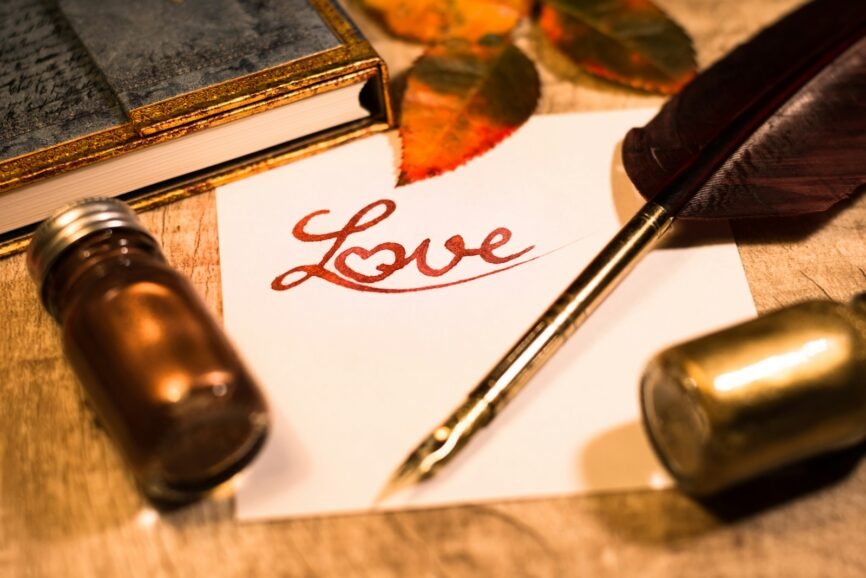
This letter of love is your invitation—to love deeper, live braver, and choose humanity in a fractured world.
Frequently Asked Questions (FAQ)
What does “Letter of Love” mean in modern relationships?
It represents intentional, conscious love that prioritizes emotional health, shared values, and long-term well-being.
How are relationships changing in modern times?
Modern relationships emphasize communication, mental health, boundaries, and purpose over traditional norms.
Is technology harming or helping love?
Technology enables connection but cannot replace emotional depth, physical presence, and human vulnerability.
Why is love considered resistance today?
In times of political oppression, social division, and burnout, choosing love challenges systems built on fear and control.
How can someone practice healthier love?
Through self-awareness, therapy, honest communication, and prioritizing emotional safety.
Last Updated on 1 week ago by Ravikant Janrao

Pingback: Psychology Of Modern Love 2026 - LOVE AND HEALTH FUTURE