

In the exciting world of sports, March Madness has always been about fast-paced action, buzzer-beaters, and championship dreams. But in recent years, it has also become a powerful reminder: athletes are more than just players—they are people with hearts, emotions, and stories.
As we journey into 2025–2030, a quiet revolution is taking place—one centered on mental health, love, and emotional strength. The future of sports is no longer just about physical fitness. It’s about building balanced, mindful, and emotionally resilient athletes.
# Emotional Coaching Becomes the New Training Essential
Today’s athletes are expected to stay tough, composed, and focused. But between the pressure to perform and the demands of life off the court, it’s clear that strength must come from within.
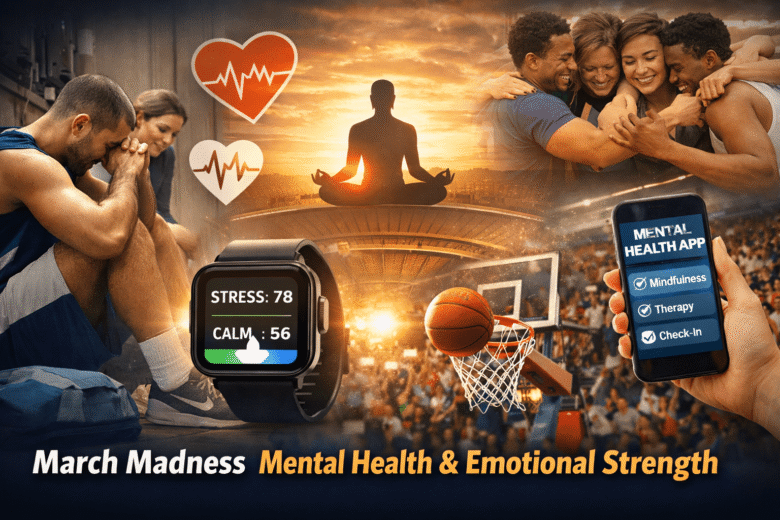
That’s why emotional coaching is becoming a staple in sports programs. Teams now include therapists and mental wellness experts who help players understand and express their feelings. Practices begin with breathing exercises and moments of silence. Guided meditations before big games help players manage anxiety and fear.
This kind of training isn’t just about winning—it’s about sustaining health, managing burnout, and fostering long-term happiness.
#Technology Meets Mental Health
As wearable devices evolve, they’re tracking more than just steps or heart rate. Athletes now wear smartbands that monitor stress, mood shifts, and even emotional fatigue. These insights help coaches and medical teams tailor support strategies in real-time.
Apps for mindfulness, therapy, and emotional check-ins are as common as workout trackers. In high-stress tournaments like March Madness, these tools offer instant calm and help players refocus with clarity and confidence.
# Love, Relationships, and the New Definition of Strength
A strong athlete is a connected athlete. From 2025 to 2025–2030, we’ll see deeper conversations around how love, relationships, and emotional bonds improve performance. Healthy romantic and family relationships provide athletes with stability and calm.
Coaches and parents are being trained to emotionally support players—not just physically push them. Schools and youth sports programs now teach young athletes the value of emotional intelligence, respect, and open communication. This education is building a new generation of emotionally aware champions.
# Global Leaders in Mental Health in Sports: USA and Australia
While this movement is growing globally, the USA and Australia are leading the way. American colleges are including mental health resources in athlete scholarships. Pro athletes in the NBA and NFL openly discuss their therapy journeys and how vulnerability makes them stronger.
In Australia, sports teams now employ “emotional coaches” as part of their standard support staff. Government sports laws are evolving to include mental health days and mandatory emotional wellness breaks during tournaments.
#Facing Online Pressure With Strength and Support
One of the biggest challenges for today’s athletes is digital stress. Constant social media attention brings criticism, comparisons, and unrealistic expectations. The mental health effects can be damaging.
To combat this, athletes are turning to mental wellness platforms that filter online hate and offer positive reinforcement. Social media managers and mental health experts are working together to protect athletes from digital burnout—especially during high-visibility events like March Madness.
# Athletes Lifting Each Other Up
Peer support is transforming sports culture. Players are creating safe spaces to share their emotional stories. Podcasts, YouTube series, and live sessions allow athletes to speak openly about depression, anxiety, grief, and healing.
This shared vulnerability builds stronger teams and deeper friendships. Athletes across leagues and countries are realizing they are not alone—and neither are their fans.
#Sports Organizations Setting the Standard
From the NCAA to international Olympic bodies, new rules are being drafted to prioritize mental wellness. Before major tournaments, players undergo mental health screenings. Emergency support hotlines are available 24/7 during competitions. And all teams are signing wellness charters that guarantee emotional support.
These policies are not just good PR—they’re saving lives.
#The Role of Fans in Creating Emotionally Safe Arenas
If we want March Madness and other tournaments to be about more than wins, fans must evolve too. Encouragement over criticism. Kindness over judgment. Support over shame.
When fans praise athletes for their honesty and courage—whether on or off the court—they help reshape the meaning of success. Parents and kids can use sports as a launchpad for deeper conversations about emotional health, love, and resilience.
# More Than a Game: Sports as a Classroom for Love and Emotional Strength
By 2030, the world of sports will look very different. Yes, there will still be champions and record-breakers. But there will also be open hearts, brave conversations, and lasting change.
Athletes will be poets, mentors, advocates, and storytellers. Love and emotional health will become as essential as speed or strength. Creative expressions like documentaries, art installations, and music inspired by emotional journeys will help fans connect in new, soulful ways.
Most importantly, future athletes—our children—will grow up learning that it’s okay to feel, to heal, and to love themselves. They’ll know that taking a break is strength. That crying after a loss is human. That true success begins within.
#Conclusion: Let March Madness Remind Us of What Truly Matters
March Madness is more than a sports event—it’s a mirror. It reflects the highs and lows of the human experience. In this next chapter, it also reflects the growing power of love, health, and mental strength.
From 2025 to 2030, we’re building a future where sports teach us not just how to win—but how to live well, feel deeply, and love more openly.
👉 Stay with Love and Health Future as we explore this evolving world—where emotional intelligence, kindness, and inner strength change the game forever.
Frequently Asked Questions: March Madness, Mental Health & Emotional Strength
1. Why is mental health in sports becoming important during March Madness?
Mental health in sports is gaining importance during March Madness because athletes face extreme pressure, emotional stress, and public scrutiny. Focusing on march madness mental health helps players maintain balance, confidence, and emotional strength.
2. How does emotional strength in athletes improve performance?
Emotional strength in athletes improves focus, decision-making, and stress control. Strong emotional resilience helps athletes stay calm during high-pressure moments and supports long-term mental wellness.
3. What role does emotional coaching in sports play today?
Emotional coaching in sports helps athletes understand emotions, manage anxiety, and prevent burnout. It is now a core part of mental health training for athletes.
4. How is technology changing mental health support for athletes?
Technology and mental health in sports now go hand in hand. Wearables, apps, and mindfulness tools track stress levels and support emotional well-being in real time.
5. Why is love and health in sports discussed more from 2025–2030?
Love and health in sports are essential because emotional stability, strong relationships, and self-care directly influence athlete mental resilience and performance.
6. How do relationships affect athlete emotional well-being?
The role of love and relationships in athlete performance is significant. Healthy emotional bonds reduce stress, increase motivation, and support mental fitness in sports.
7. What is the future of mental health in sports?
The future of mental health in sports focuses on prevention, emotional education, therapy access, and emotional resilience training in sports programs.
8. How do athletes deal with social media pressure?
How athletes deal with social media pressure includes digital detox, mental health technology for athletes, and professional emotional wellness support.
9. Why is sports mental health awareness growing worldwide?
Sports mental health awareness is growing because athletes are openly sharing their emotional struggles, helping normalize conversations around mental health in sports.
10. How are USA and Australia leading mental health in sports?
USA and Australia mental health in sports initiatives include emotional coaches, mental health screening before sports tournaments, and athlete wellness policies.
11. What are athlete burnout prevention strategies?
Athlete burnout prevention strategies focus on emotional rest, therapy, workload balance, and mental health support systems in college sports.
12. Why is sports psychology and mindfulness important?
Sports psychology and mindfulness improve emotional control, concentration, and stress management tools for athletes during intense competitions.
13. How does mental fitness in sports differ from physical fitness?
Mental fitness in sports emphasizes emotional resilience, focus, and psychological strength, complementing physical training for overall athlete well-being.
14. How does sports culture influence emotional education?
Sports as a tool for emotional education teaches young athletes emotional intelligence, empathy, and respect—building a healthier sports culture.
15. How does Love Health Future support sports mental wellness?
Love Health Future sports mental wellness content focuses on emotional strength, athlete mental resilience, and the evolving future of sports mental health.
Last Updated on 6 days ago by Ravikant Janrao

Pingback: Loving Relationships In 2026 - LOVE AND HEALTH FUTURE
можно проверить ЗДЕСЬ kush casino официальный сайт