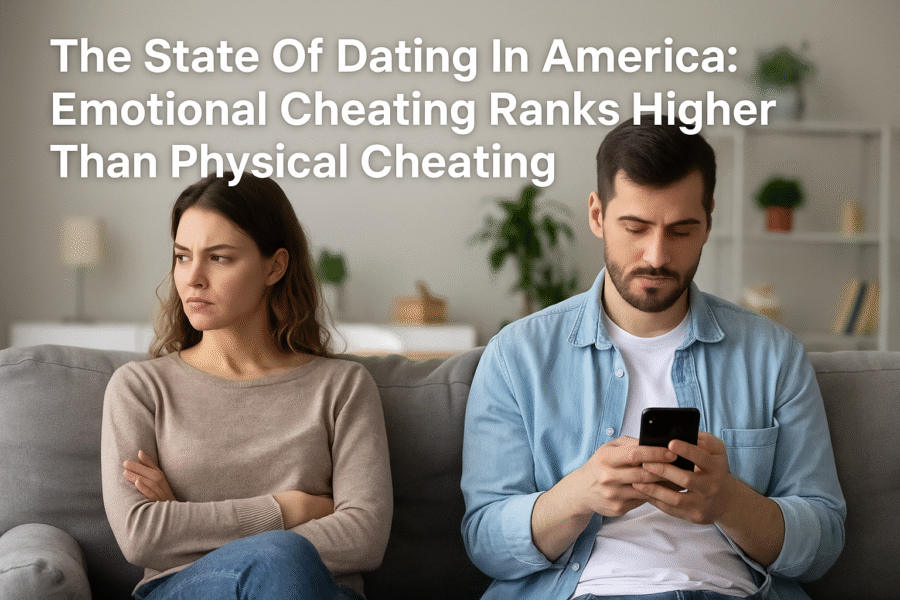
Love and Health: Healthier Love or Emotional Confusion? Understanding the Modern Dating Shift.
In the ever-evolving dating landscape of the United States, Australia, and Canada, emotional cheating is emerging as a bigger relationship destroyer than physical intimacy outside a relationship. From 2020 to 2030, emotional betrayal—intense texting, sharing secrets, and late-night chats—has shaken trust more than one-night stands. This blog explores emotional intimacy, its psychological weight, and how love and health in relationships are redefined in this decade.
Whether it’s millennial dating in 2025 or Gen Z heartbreak in 2030, this shift impacts everyone. This post is rich in focus keywords: love and health, emotional cheating, dating in America, relationship psychology, emotional connection, and trust issues.
What Is Emotional Cheating?
Emotional Infidelity Defined
Emotional cheating is the act of forming an intimate bond with someone outside of your primary relationship. It doesn’t involve physical intimacy but includes sharing personal feelings and life problems and creating emotional closeness, often in secrecy.
Examples of Emotional Cheating
- Texting someone daily and hiding it from your partner
- Sharing intimate details of your life with someone else
- Confiding about your relationship problems with someone you’re emotionally attached to
- Looking forward to talking to someone else more than your partner
Love and Health Impact: How Emotional Cheating Affects Mental Wellness
Emotional betrayal hits the trust system of the brain. Experts from the Psychology Today platform highlight that emotional cheating activates the same stress centers as physical betrayal.
According to couples therapists in the U.S. and Australia, emotional cheating often causes:
- Anxiety and emotional burnout in the faithful partner
- Trust issues in future relationships
- Low self-esteem and negative self-image
- Fear of abandonment
Why Emotional Cheating Feels Worse in 2025
In the age of digital intimacy, chatting, video calling, and DMing strangers is easier than ever. Emotional cheating feels worse because:
- It’s deeply personal—you’re sharing your soul.
- It’s often kept secret, leading to guilt and mistrust.
- It replaces the romantic bond in the main relationship.
- It often precedes physical cheating.
Dating in America: The Emotional Shift from 2020 to 2030
Modern Relationship Statistics
- 76% of Americans in relationships believe emotional cheating is worse than physical cheating (2024, YouGov)
- In Canada, 3 in 5 adults say emotional cheating ends a relationship faster than sex with someone else
- In Australia, 71% of millennials report feeling emotionally neglected in long-term relationships
Impact of Dating Apps and Social Media
Dating apps like Tinder, Bumble, and Hinge have increased access to emotional temptations. Social platforms encourage DMs and emotional check-ins. Many people don’t realize they’re emotionally cheating until it’s too late.
How to Heal from Emotional Cheating
Steps Toward Rebuilding Trust
- Open communication and transparency
- Therapy or relationship counseling
- Digital boundaries (e.g., no texting exes)
- Re-establishing intimacy and bonding
Healing is possible, and many couples come out stronger. The key is mutual honesty, effort, and respect.
FAQ: Emotional Cheating in Relationships (2025)
- 1. Is emotional cheating worse than physical cheating?
- Many people believe it is, especially because emotional betrayal often cuts deeper and lasts longer.
- 2. Can emotional cheating ruin a marriage?
- Yes. It creates trust issues that can be difficult to repair without support and counseling.
- 3. What are signs of emotional cheating?
- Secrecy, emotional distancing from the partner, and prioritizing someone else emotionally.
- 4. Can you emotionally cheat without realizing?
- Yes. Emotional cheating can happen gradually through repeated emotional connections outside your relationship.
- 5. Should I confront my partner about emotional cheating?
- Yes. Clear, compassionate communication is key to addressing such problems.
- 6. Is it okay to be close friends with the opposite sex?
- Yes, if boundaries are respected and there’s transparency with your partner.
- 7. Can therapy help emotional cheating?
- Absolutely. Therapy helps rebuild trust and understand root causes.
- 8. Do men or women cheat emotionally more?
- Studies show both genders engage in emotional cheating, though motives may vary.
- 9. How do I stop emotional cheating?
- Set boundaries, limit private conversations, and focus on intimacy in your main relationship.
- 10. What apps are often used for emotional cheating?
- WhatsApp, Instagram, and Facebook Messenger are commonly used for private emotional exchanges.