

Why Love and Health Matter in 2026: A Complete Human Guide for American Couples
In 2026, America stands at a powerful moment of transformation. Technology continues to evolve at lightning speed. Artificial intelligence shapes workplaces. Remote careers redefine routines. Yet amid this innovation, something deeply human is gaining renewed attention: the connection between love and health.
At Love and Health Future, we explore how emotional connection and physical wellness together form the true backbone of personal and national strength.
The Emotional Climate of America in 2026
Despite economic growth, millions of Americans quietly struggle with stress, burnout, and loneliness. According to the Centers for Disease Control and Prevention, chronic diseases remain leading causes of death.
Meanwhile, data from the National Institute of Mental Health reveals rising anxiety levels, particularly among young professionals and working parents.
This dual reality tells a powerful story: physical health and emotional connection must be prioritized together.
The Science of Love and Longevity
Research from Harvard University—particularly the Harvard Study of Adult Development—demonstrates that strong relationships are one of the greatest predictors of long-term happiness and lifespan.
Love reduces cortisol, stabilizes heart rate, improves immune response, and even enhances cognitive function.
When couples communicate openly and offer emotional safety, they create biological resilience.
Preventive Healthcare: America’s New Relationship Strategy
Preventive healthcare in 2026 is no longer optional—it is essential. Annual checkups, mental health screenings, strength training, and balanced diets form the foundation of stable relationships.
Financial stress caused by sudden medical emergencies often strains marriages. Preventive care reduces that burden and strengthens trust.
The Role of Nutrition in Emotional Stability
Nutrition directly affects mood. Diets high in processed sugars can increase irritability and fatigue.
Plant-forward, Mediterranean-style eating patterns improve gut health and emotional clarity.
Explore our related guide on gut health and relationships here:
Love, the Gut-Brain Axis, and Couples’ Mental Health.
Digital Overload and Emotional Disconnection
Smartphones dominate daily life. Yet constant scrolling reduces eye contact, meaningful conversation, and emotional presence.
Couples practicing digital detox evenings report deeper connection and improved communication.
Exercise as a Bonding Tool
Shared physical activity builds trust and teamwork. Whether walking, strength training, or doing yoga, exercising together fosters mutual accountability.
Sleep: The Forgotten Relationship Pillar
Sleep deprivation increases irritability and reduces empathy. Consistent 7–8 hour sleep cycles improve emotional regulation.
Therapy as Preventive Love Maintenance
In 2026, therapy is normalized. Couples seek guidance before crises emerge. Emotional literacy becomes a relationship superpower.
Community and Social Bonds
Healthy friendships and community support strengthen marriages. Isolation weakens resilience.
Work-Life Integration
Remote work blurred boundaries. Intentional scheduling of relationship time restores balance.
Economic Growth and Human Wellness
National productivity depends on healthy citizens. Emotionally stable workers innovate better.
The Cultural Shift Toward Intentional Living
Americans increasingly value mindfulness, gratitude, therapy, and preventive care over constant hustle.
Practical 2026 Love & Health Action Plan
- Weekly relationship check-ins
- Cook together three times weekly
- Exercise 150 minutes weekly
- Plan tech-free evenings
- Sleep consistently
- Attend preventive health checkups
- Seek therapy proactively
- Practice gratitude daily
Long-Term Vision
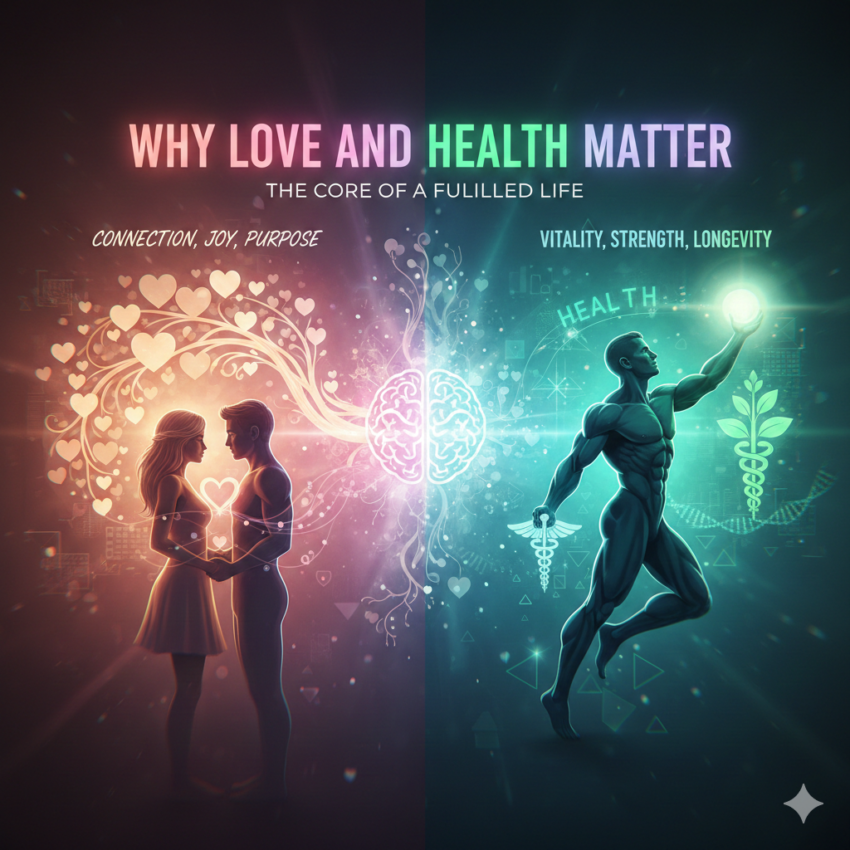
Love provides emotional meaning. Health provides physical strength. Together, they secure America’s human future.
1. The long-term vision for America is not just economic strength but emotional resilience rooted in love and connection.
2. A healthier nation begins with families that prioritize both physical wellness and meaningful relationships.
3. Preventive healthcare must become a lifelong habit, not an emergency response.
4. Emotional intelligence should be taught and practiced as a core life skill in homes and schools.
5. Couples who invest in communication today build generational stability tomorrow.
6. National productivity will rise when citizens feel supported, healthy, and emotionally secure.
7. Digital balance will define the next era of intimacy and human connection.
8. Community-driven wellness programs will strengthen both mental health and social harmony.
9. Love-centered leadership—at home and in society—will shape a more compassionate America.
10. The future belongs to those who understand that true success is measured by healthy hearts and strong relationships.
Conclusion
In 2026, the strongest Americans will not simply be financially secure—they will be emotionally intelligent and physically resilient.
Love gives meaning. Health gives strength. Together, they shape the future.
Frequently Asked Questions
1. Why are love and health biologically connected?
Emotional bonds regulate stress hormones and immune responses.
2. How does stress affect intimacy?
Stress reduces patience and emotional availability.
3. Does diet impact mood?
Yes. Balanced diets stabilize brain chemistry.
4. Is preventive care essential?
Yes. It prevents crises and financial strain.
5. How much exercise is recommended?
150 minutes weekly plus strength training.
6. Can therapy strengthen healthy marriages?
Yes. Therapy enhances communication skills.
7. Why is sleep critical?
Sleep regulates mood and empathy.
8. Can digital detox improve relationships?
Yes. It restores presence and connection.
9. How do love and health impact productivity?
Healthy citizens are more innovative and resilient.
10. What defines the future of wellness in America?
Preventive healthcare, emotional literacy, and intentional living.